
Strength Training for Beginners: How to Build a Simple Routine

Starting strength training for beginners can feel intimidating, especially when the gym floor seems full of equipment you do not recognise and people who already know exactly what they are doing. Every experienced lifter, though, started exactly where you stand now. The good news is that strength training for beginners does not require complicated programs, expensive equipment, or hours in the gym each day. It requires a simple, consistent routine that respects your current fitness level and builds from there.
At gymfitnesses, we believe that clarity beats complexity when someone is just getting started. This article walks through what strength training actually does for your body, how to structure a beginner routine, what mistakes to avoid, and how to stay consistent once the initial motivation fades.
Why Strength Training Matters for Your Long-Term Health
Strength training does far more than build visible muscle. It strengthens bones, improves joint stability, and supports better posture during everyday activities like carrying groceries or climbing stairs. Regular resistance work also raises your resting metabolic rate, since muscle tissue burns more energy at rest than fat tissue does.
Beyond the physical benefits, strength training builds confidence. Completing a workout, adding a small amount of weight, or finishing an extra repetition creates a sense of progress that carries into other parts of life. For beginners specifically, this early momentum often determines whether someone sticks with a fitness routine for months or gives up within a few weeks.
Ignoring strength training, particularly as people get older, contributes to gradual muscle loss known as sarcopenia. This condition affects mobility, balance, and independence later in life. Building strength early creates a buffer against that decline, which makes strength training for beginners a genuinely long-term investment rather than a short-term trend.
Getting Started the Right Way
Before touching a barbell or dumbbell, a few decisions shape how smooth your first few weeks will feel.
Choosing Your Training Environment
Some beginners prefer a commercial gym because of the variety of equipment and the option to ask staff for guidance. Others feel more comfortable starting at home with resistance bands, a pair of dumbbells, or simple bodyweight exercises. Neither choice is wrong. What matters more: pick an environment where you will actually show up consistently.
Learning the Core Movement Patterns
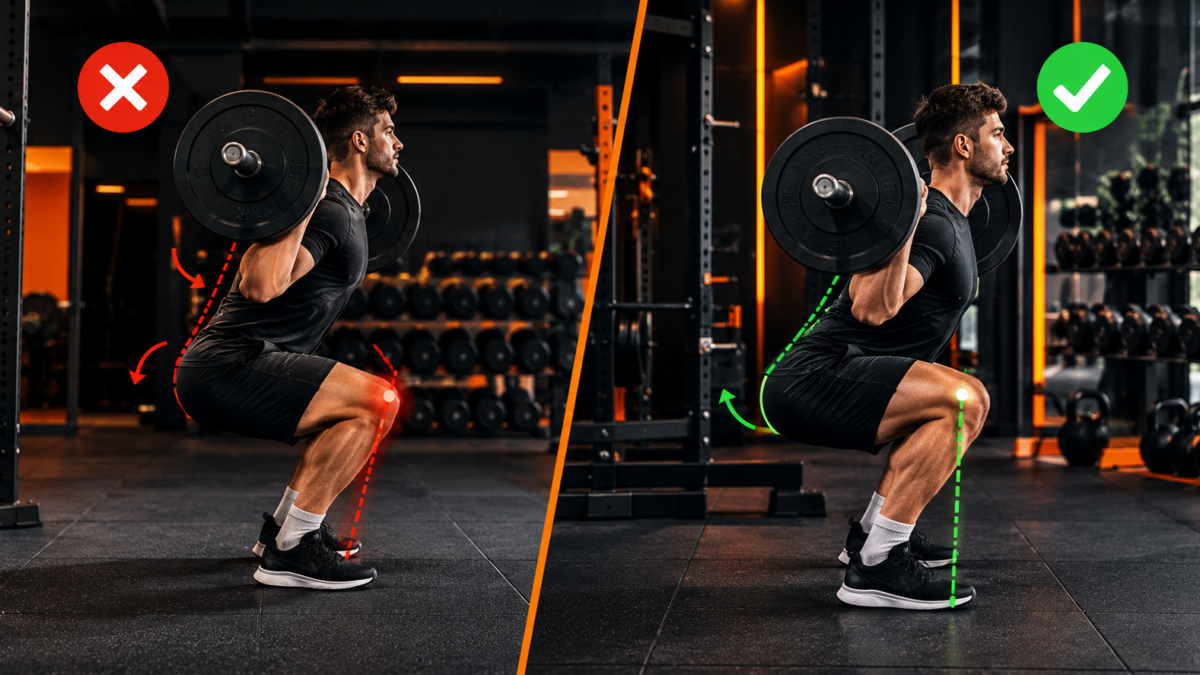
Rather than memorising dozens of exercises, focus on a handful of movement patterns that form the foundation of almost every strength program:
- Squatting, which trains the legs and hips through a bending motion at the knees and hips.
- Hinging, which targets the hamstrings and lower back through movements like deadlifts.
- Pushing, which covers exercises like push-ups and chest presses.
- Pulling, which includes rows and pull-ups that strengthen the back and biceps.
- Carrying, which involves holding weight while walking, building grip strength and core stability.
Once you understand these patterns, most gym exercises become variations on a familiar theme rather than a confusing wall of options.
Building a Simple Beginner Routine
A beginner routine does not need to be elaborate. In fact, simplicity tends to produce better results early on because it allows you to focus on form rather than juggling a complicated schedule.
A Sample Weekly Structure
Many beginners do well with a full-body routine performed three times a week, with a rest day between sessions. Each workout might include one squat variation, one hinge movement, one push exercise, one pull exercise, and a short core or carrying exercise. This structure works the entire body regularly without demanding daily gym visits, which makes it realistic for people balancing work, family, and other responsibilities.
Choosing Appropriate Weight and Repetitions
Beginners often make one of two mistakes: lifting too heavy too soon, or staying so light that the muscles never get properly challenged. Choose a weight that allows you to complete eight to twelve repetitions with good form . while the final two repetitions feel genuinely difficult. Over the following weeks, gradually increasing weight or repetitions, a principle known as progressive overload, drives most of the strength gains you will experience.
The Role of Warming Up
Skipping a warm-up ranks as one of the most common shortcuts beginners take, and it also increases injury risk . A short warm-up of five to ten minutes, combining light cardio with dynamic stretches, raises your body temperature and prepares your joints for the work ahead.
Benefits of Following a Structured Beginner Program
A well-planned approach to strength training for beginners delivers several clear advantages:
- Faster, safer progress: Following a structured plan reduces guesswork and helps you track improvements over time.
- Lower injury risk: Learning correct form from the start prevents many of the overuse injuries that come from rushing into heavier weights.
- Better consistency: A simple, repeatable routine proves easier to stick with than a complicated program that changes every session.
- Improved confidence: Watching your strength increase week by week builds motivation that carries into other fitness goals.
- Stronger foundation for future training: The habits and technique you build now support more advanced training later, whether that means heavier lifts or new types of exercise.
Risks and Drawbacks to Watch For
Strength training carries real benefits, but beginners should stay aware of a few genuine risks.
- Poor form under load: Lifting with incorrect technique, particularly during squats and deadlifts, increases strain on the lower back and knees.
- Overtraining without adequate rest: Training the same muscle groups every day without recovery time can lead to fatigue, reduced performance, and a higher chance of injury.
- Skipping professional guidance when needed: Beginners with existing injuries, joint issues, or chronic health conditions should consult a qualified trainer or medical professional before starting a new program.
- Comparing progress to others: Every body responds to training differently, and comparing your early results to someone with years of experience often leads to frustration rather than motivation.
Awareness of these risks does not mean avoiding strength training. It means approaching it with patience and attention to form, which exactly separates a sustainable habit from a short-lived attempt.
Common Mistakes Beginners Should Avoid
A number of avoidable mistakes slow down progress or increase injury risk for people new to the gym.
Rushing to lift heavy weights before mastering basic form tops the list. Many beginners feel pressure to keep pace with more experienced lifters nearby, but building technique first pays off far more over time. Skipping rest days ranks as another frequent issue, since muscles repair and grow stronger during recovery rather than during the workout itself.
Neglecting other movement patterns in favour of a few favourite exercises also limits results. A well-rounded routine that includes squatting, hinging, pushing, pulling, and carrying develops balanced strength rather than isolated muscle groups. Finally, expecting rapid transformation within the first few weeks often leads to disappointment, since meaningful strength gains typically become noticeable after four to eight weeks of consistent training.
Staying Consistent Beyond the First Month
The first month of strength training for beginners often runs on motivation alone. After that, consistency depends on habit and structure rather than enthusiasm. Scheduling workouts at the same time each week, tracking progress in a simple notebook or app, and setting small, achievable goals all help maintain momentum once the initial excitement settles.
At gymfitnesses, we encourage beginners to view strength training as a long-term relationship with their body rather than a short sprint toward a specific number on the scale or the barbell. Progress that builds slowly tends to last far longer than progress that arrives quickly and disappears just as fast.
Conclusion
Strength training for beginners does not need complexity to work effectively. A simple routine built around core movement patterns, appropriate weight selection, proper warm-ups, and adequate rest gives most beginners everything they need to build real, lasting strength. The biggest factor in long-term success comes from consistency, not intensity, paired with a willingness to learn correct form before chasing heavier weights. With patience and a structured approach, strength training becomes a sustainable part of everyday life rather than a temporary phase.
Frequently Asked Questions
Q: How many days a week should a beginner strength train?
A: Most beginners see good results training three times a week, with rest days between sessions to allow proper recovery.
Q: Do I need a gym membership to start strength training?
A: No. Bodyweight exercises, resistance bands, or a basic set of dumbbells at home can support an effective beginner routine.
Q: How long before I notice results from strength training?
A: Many beginners notice improved strength and confidence within four to eight weeks of consistent training, though visible muscle changes usually take longer.
Q: Is it normal to feel sore after starting strength training?
A: Mild soreness in the days following a new workout is common and typically fades within a few days. Sharp or persistent pain, however, should not be ignored.
Q: Should beginners hire a personal trainer?
A: A trainer is not required, but working with one during the first few weeks can help beginners learn correct form and reduce the risk of injury.
Q: Can strength training help with weight loss?
A: Yes. Building muscle raises your resting metabolism, which supports weight management when combined with a balanced diet.